How Cakewalk turned every $1 of ad spend into $9 of pipeline
This is exactly the type of thinking and work mode we need. I throw in a thought, you take it to the next level from a GTM perspective.
 Johannes KeienburgCo-founder and CEO, Cakewalk
The challenge
Cakewalk is a Berlin-based identity and access management platform that helps fast-moving companies govern and automate access for employees, contractors and AI agents in one place.
With a lean team and ambitious growth plans, Cakewalk partnered with ToJupiter to extend its in-house capabilities and build demand through integrated paid media, content and campaign execution.
When we arrived, Cakewalk grew through direct sales. Around 80% of leads came from outbound, run by the founder and the AE between them. Our job was to broaden that into a demand gen strategy that could acquire customers at scale.
Paid acquisition had already shown promise, but the team lacked a clear view of its true performance and contribution to pipeline. Google Ads had been paused because search volume in the category was limited, while larger enterprise competitors could outbid Cakewalk on many commercial terms. At the same time, the person responsible for paid media was due to leave at the end of the year.
Reporting presented another challenge: lifecycle stages in HubSpot were not clearly defined, there was no dedicated RevOps owner, and the same metric could produce different answers depending on which report was used. Without a reliable view of paid media's contribution to pipeline, budget decisions were being made with limited evidence.
Paid media was also expected to do too much on its own. There was no established webinar programme or consistent stream of high-value content to attract and educate audiences at the top of the funnel.
All of this came as Cakewalk was expanding its proposition, from managing access for employees and contractors to governing what AI agents could access and do. It was an emerging category that buyers were not yet actively searching for, meaning demand had to be created before it could be captured.
We're coming from an outbound heavy approach with traditional qualification calls. This playbook works, but it's not scalable. We need to crack allbound, inbound and self serve. That's our biggest company priority right now.
Johannes Keienburg, Co-founder and CEO
Our approach
We embedded from 1 December 2025, working inside Cakewalk's Slack, HubSpot and Notion rather than reporting in from the outside. Six workstreams ran in parallel.
Love it! Way simpler, clearer, will make it 10x easier for all of us to stay on top of things. Thanks!
- A rebuilt paid account. New campaign structure with a clear top and middle funnel split, lifecycle stages defined, target accounts tiered in HubSpot, and manual CPC bidding with hard caps instead of LinkedIn's suggested bids. LinkedIn became the core channel and has produced every paid-sourced deal this year bar two.
- A webinar engine. Named guests with audiences of their own, promoted across LinkedIn ads, founder and guest organic posts, HubSpot emails, Luma invites and community shares, then followed up while intent was still warm. Registrations ran from 66 to 151 an event.
- Category-first messaging. We moved spend behind the AI agent access story rather than generic access management, because that is where buying intent concentrated. Europe responded to risk and compliance framing, the US to growth and efficiency, and German-language ads earned their place in DACH.
- Gated assets, positioned and distributed. Security buyers reward substantive material. Cakewalk's team wrote the CISO Guide and built the AI agent gap analysis, and we advised on how to position them before building the distribution around them: the LinkedIn document ads, the HubSpot capture and routing, the follow-up sequences and the retargeting pool.
- RevOps and reporting. One HubSpot Master Dashboard as the single source of truth, agreed lifecycle definitions, exclusion rules that keep imported registrations out of conversion counts, and RevenueHero on the demo and waitlist flows so intent converts straight into booked meetings.
- Content and generative engine optimisation. We wrote the comparison listicles that earn search and AI-assistant visibility while the category is still maturing, and set the keyword direction and indexation checks behind Cakewalk's integration pages. The first listicle became the highest-traffic blog on the site.
Security people distrust marketing for a living, so the creative had to earn its place in the feed. Memes carried the highest click-through rates on the account and fed the retargeting pool everything else converted against.


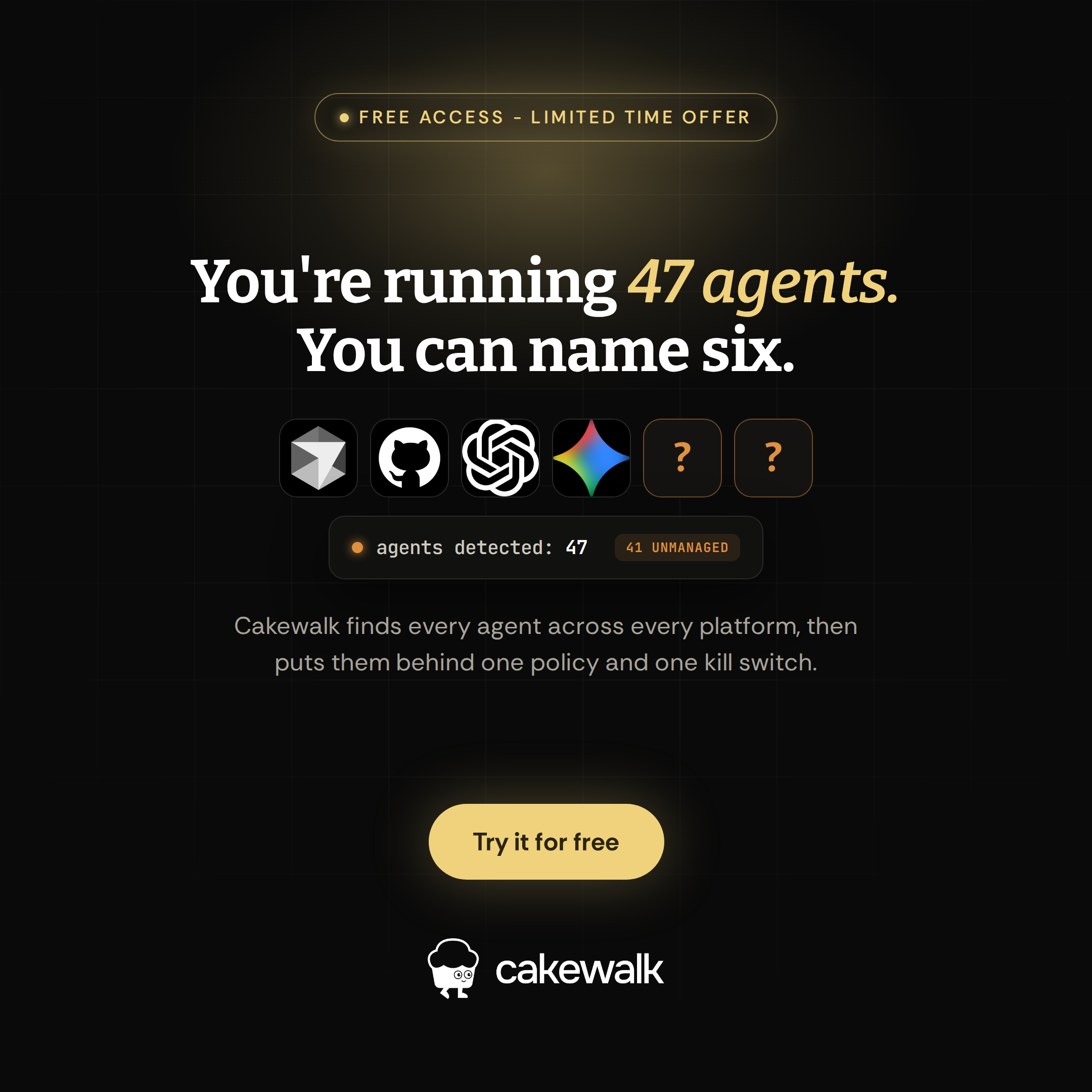

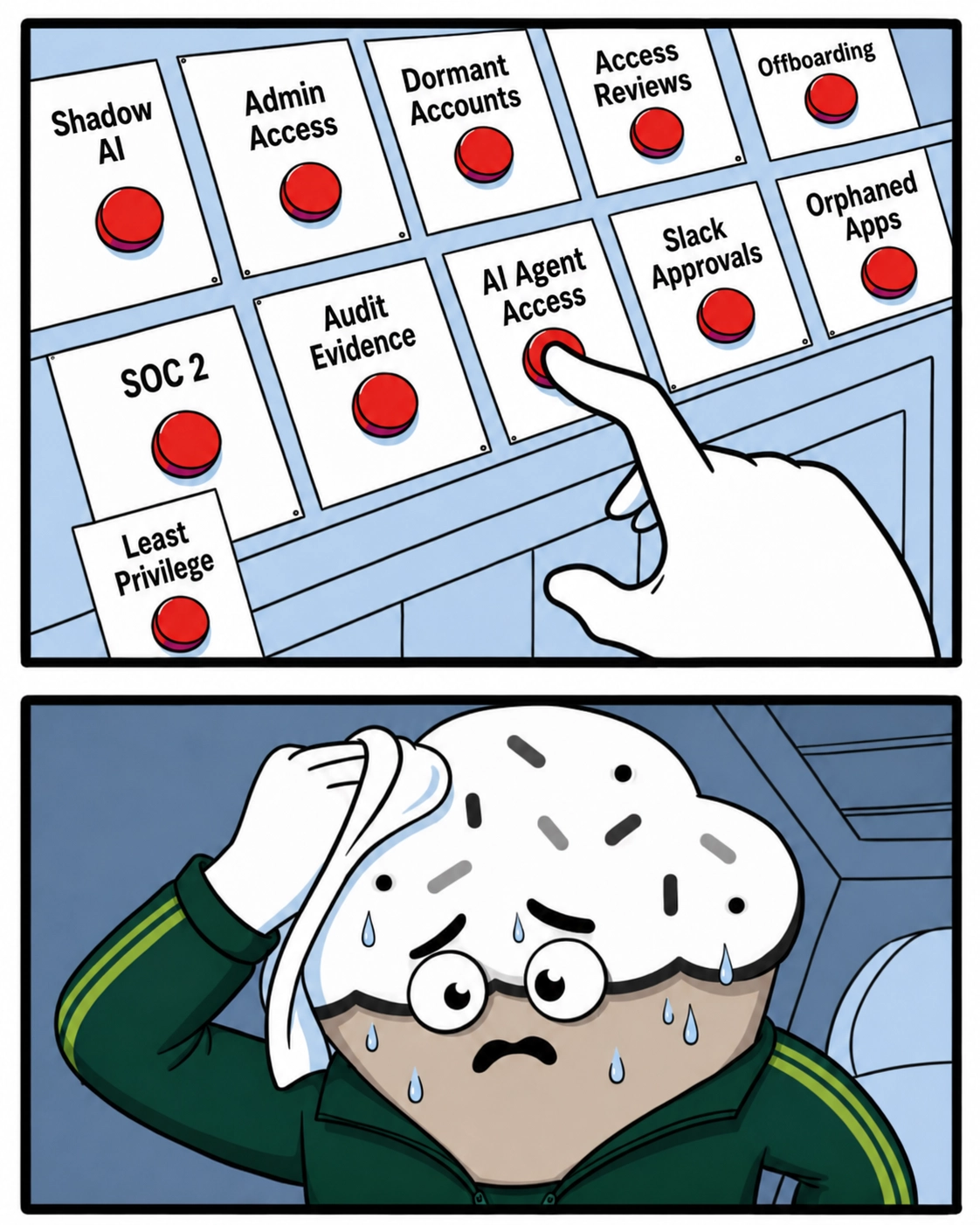
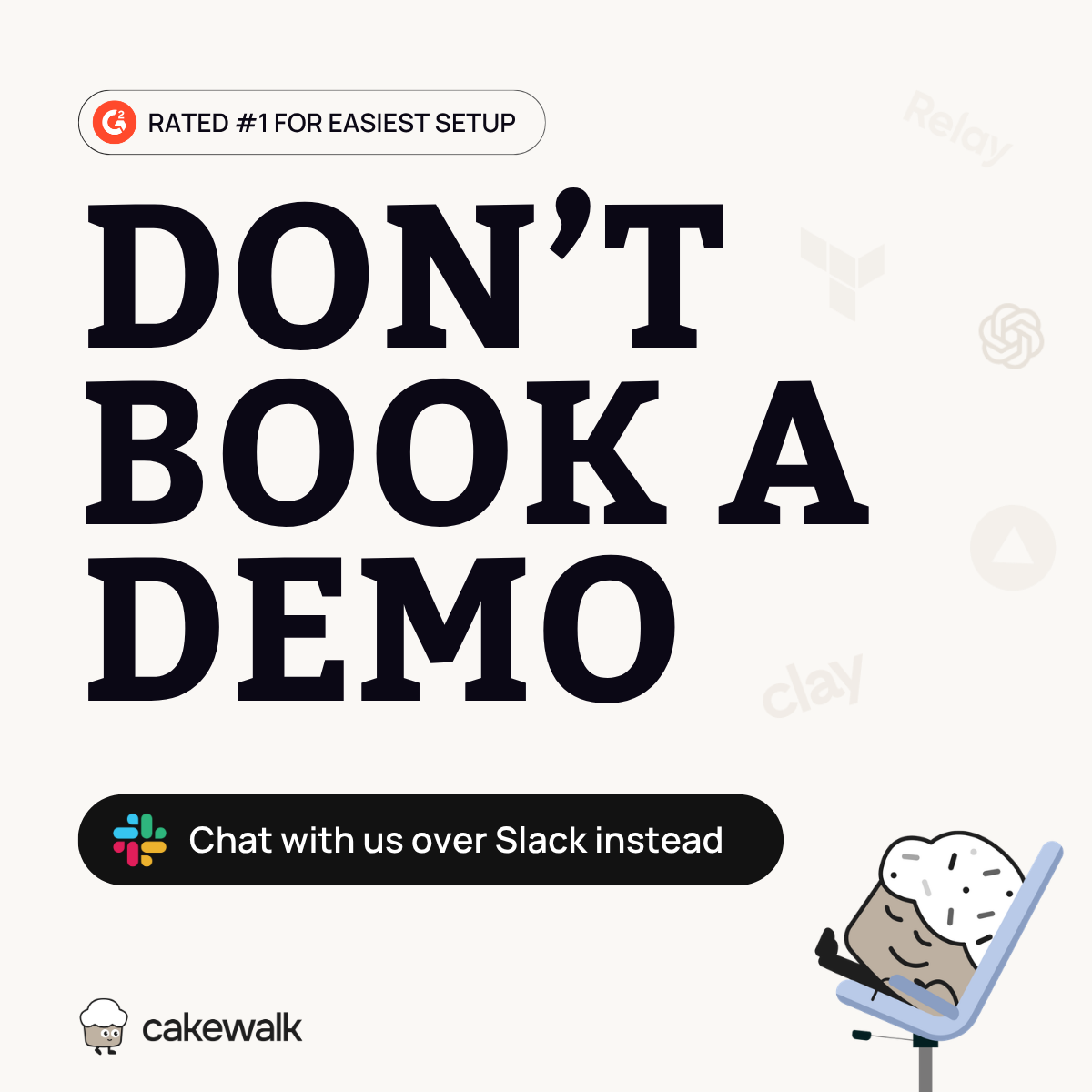
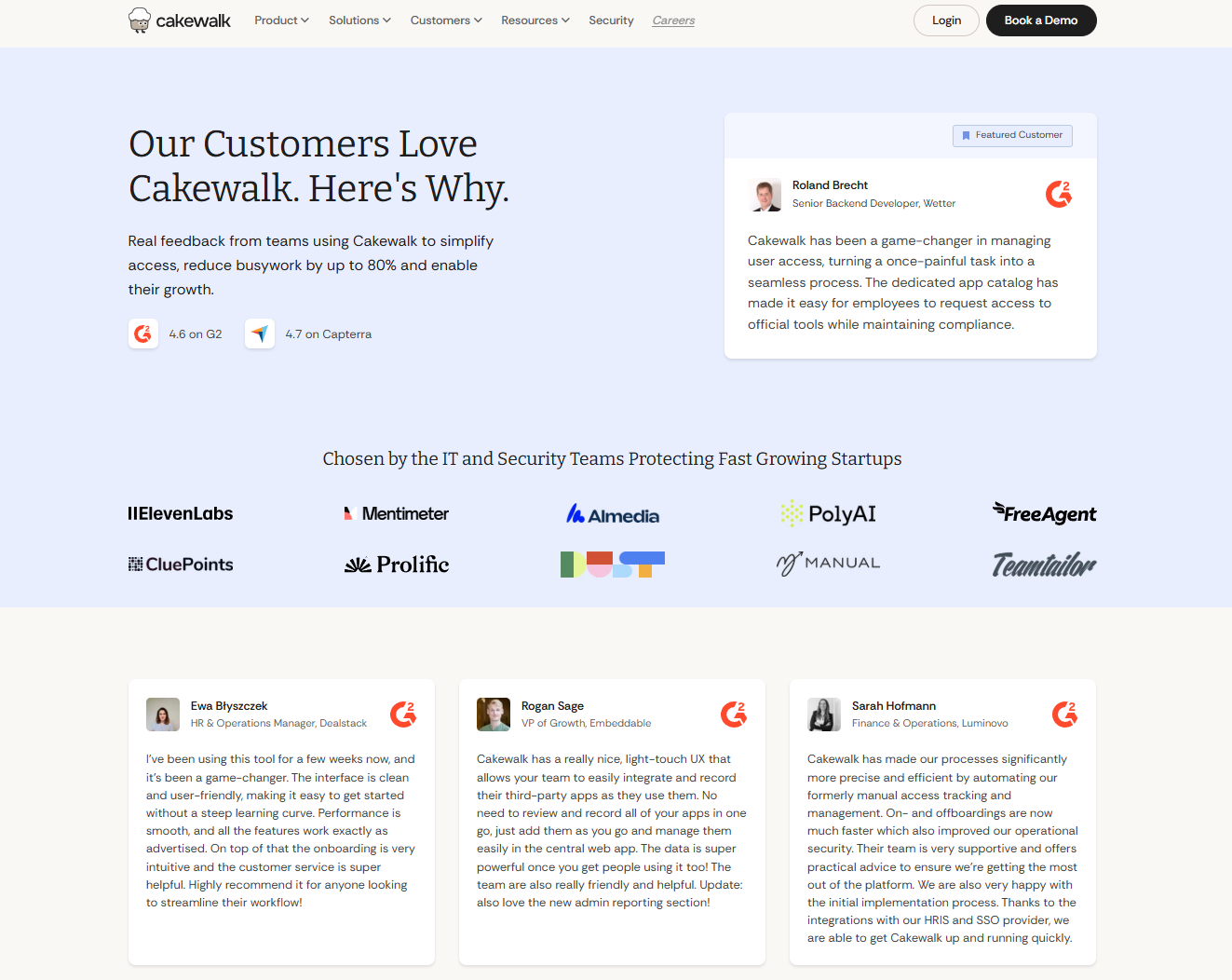
We reworked where that traffic landed as well, specifying and prototyping the agent access page around a single action, which Cakewalk's team then shipped, we built the wall of love that pulled scattered customer proof into one place, and we put RevenueHero on the demo flow so it offers a calendar on the spot.

The webinar playbook
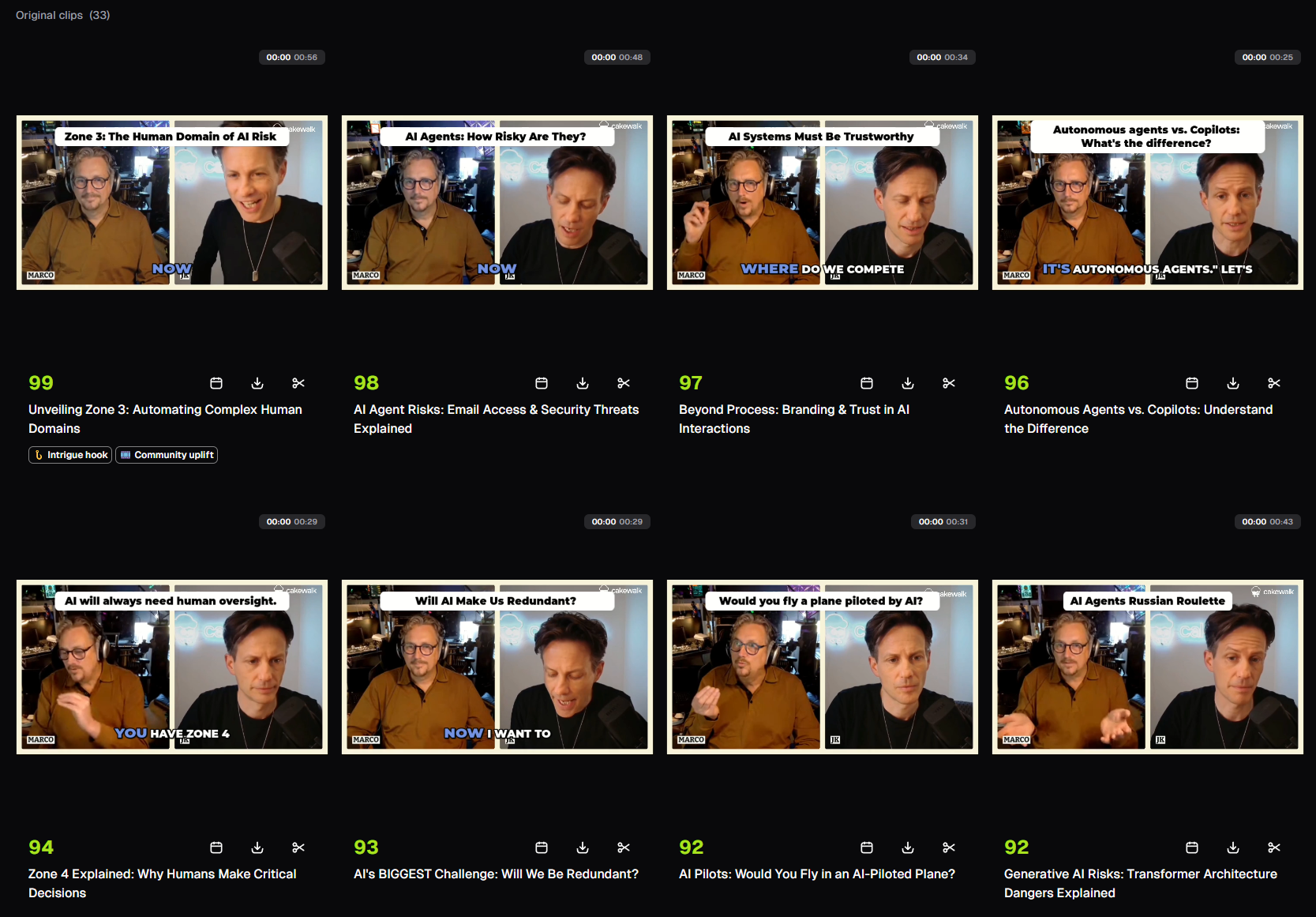
We built Cakewalk's first webinar programme and ran it monthly: a named guest with an audience of their own, promotion stacked across LinkedIn ads, founder and guest posts, HubSpot emails, Luma invites and community shares, then fast follow-up while intent was warm. Sessions run simulated live. Recording in advance frees the team to sit in the chat and answer questions instead of presenting.
Six sessions ran in six months and drew more than 600 registrations between them, from 66 at the smallest to 151 at the largest. Attendance held between 21% and 56% against the 25% to 30% the team benchmarks against, and the format went on to influence more pipeline than any other channel we ran.

The impact
Paid-sourced deals since we took over paid, against all of 2025.
Registrations across six webinars in six months.
Cost per top-of-funnel lead on LinkedIn document ads.
Our strongest month for spend to pipeline.
The channel Cakewalk had nearly written off now brings in most of their new pipeline. Every dollar of FY26 ad spend returned more than $9 of pipeline, a 1:9 ratio for the year, and May ran at 1:22. Paid-sourced deals doubled on the whole of 2025 in seven months, carrying 2.8 times the pipeline value.
Cost came down as volume went up, which is the harder combination to hit. A lead cost $756 in January and $217 six months later in July, a 71% fall against the same targets and the same tracking throughout, and the trend never reversed.
None of these numbers would be worth quoting on the old reporting, so that was rebuilt first: one HubSpot dashboard as the single source of truth, written lifecycle definitions, and imported webinar registrations kept out of conversion counts.
Cakewalk's CISO Guide became the hardest-working play on the account once we put it behind LinkedIn document ads, at under $50 a lead. Most of the downloads are CISOs and senior security leads at target accounts, some at brands anyone would recognise.
Our last weeks went into making the whole system survivable without us. Webinars are now a proven pipeline channel with the playbook written down, from booking the guest to cutting the recording into clips. RevenueHero collapsed the demo flow to one form field and one click, and more than half of form fills become booked meetings. The GEO listicles pull search traffic the category does not yet generate on its own. And the paid account comes with an honest record of what worked and what did not, which is the expensive half of the learning.
As our engagement came to an end, Cakewalk was preparing to bring performance marketing in-house. We used our final two weeks to work closely with the new marketer, walking them through the accounts, reporting, playbooks and campaign learnings before handing over.
They stepped into the role with a clear view of what had worked, what had been tested and where the next opportunities lay, leaving the team well equipped to build on the momentum we had created together.
About Cakewalk
Cakewalk is the agentic Identity Governance platform for fast-moving companies. It pulls every identity, permission, app and AI agent into one system of record, then uses Agent Cake to automate provisioning, deprovisioning, access reviews and self-service requests. IT and security teams replace spreadsheets and tickets with clean access data, automated workflows and audit-ready evidence for ISO 27001, SOC 2, NIS2 and HIPAA.
Frequently asked
What does Cakewalk do?
Who is Cakewalk for?
What is Agent Cake?
Does Cakewalk replace an identity provider like Okta or Entra?
Can you try Cakewalk before buying?
Want a demand engine like Cakewalk's?
We embed as your growth team, build the channels, fix the funnel and prove the pipeline.
Book a call